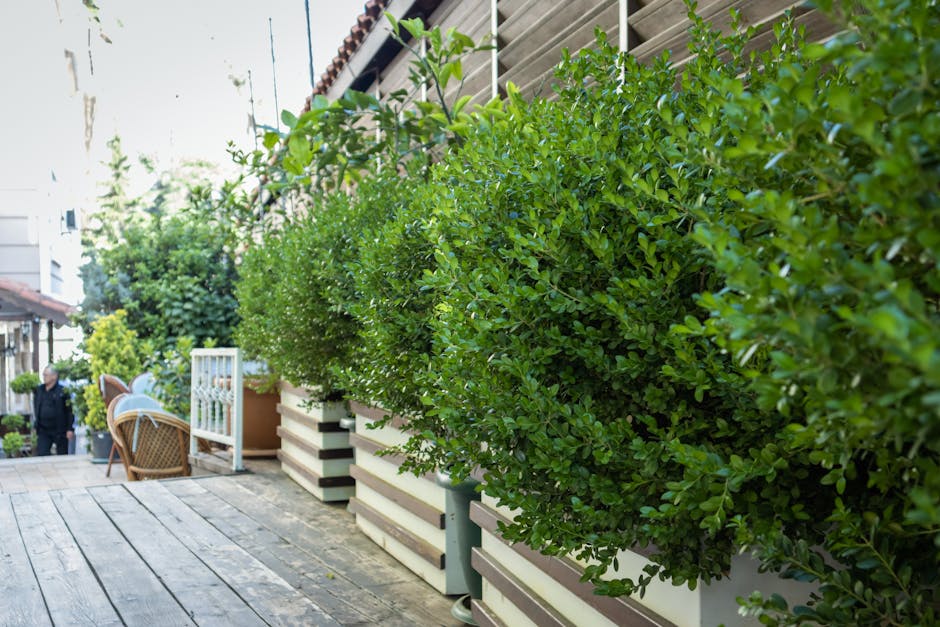
Brockley Station Garden Services for Small Terrace Gardens
If you live near Brockley Station, you already know the charm of a small terrace garden: a compact patch of green, a bit of privacy, a place for morning coffee, and, if you're lucky, a few hardy plants doing their best against shade, wind and urban clutter. But small spaces can become messy quickly. One week it's neat; the next, everything feels crowded, tired or just a bit neglected.
That is where Brockley Station garden services for small terrace gardens come in. The right approach is not about cramming in more plants or spending hours on upkeep. It is about shaping a space that looks good, works hard, and stays manageable through the seasons. In a terrace setting, every square foot counts, so careful pruning, smart planting, tidy edges and regular maintenance make a real difference.
This guide explains how local garden services can help, what is usually included, which jobs matter most in small terrace gardens, and how to decide whether you need one-off help or ongoing care. If you have been staring at a narrow side return, a paved courtyard, or a tiny back garden wondering where to begin, you are in the right place.
To keep things practical, we will also touch on best practice, common mistakes, and how to compare service options without getting lost in jargon. Nothing fluffy. Just the useful stuff.
Table of Contents
- Why Brockley Station garden services for small terrace gardens Matters
- How Brockley Station garden services for small terrace gardens Works
- Key Benefits and Practical Advantages
- Who This Is For and When It Makes Sense
- Step-by-Step Guidance
- Expert Tips for Better Results
- Common Mistakes to Avoid
- Tools, Resources and Recommendations
- Law, Compliance, Standards, or Best Practice
- Options, Methods, or Comparison Table
- Case Study or Real-World Example
- Practical Checklist
- Conclusion
- Frequently Asked Questions
Why Brockley Station garden services for small terrace gardens Matters
Small terrace gardens are easy to underestimate. They do not look like much at first glance, but they often need more thoughtful care than larger gardens. Why? Because there is nowhere for problems to hide. A patch of moss, a leaning climber, an overgrown hedge, or a cluttered corner can make the whole space feel cramped.
Near Brockley Station, many gardens sit behind Victorian or Edwardian terraces, with tight access, limited light, and surfaces that are often part lawn, part paving, part patio. That combination can be lovely, but it also means maintenance has to be precise. A heavy-handed cut can make the space look bare. Overplanting can make it feel smaller. Skipping a few weeks of upkeep can turn into a mini jungle situation before you know it. To be fair, that happens to most people at some point.
Local garden services matter because they understand the scale of the job. They know that a terrace garden is not just a reduced-size version of a big suburban lawn. It needs smarter choices: compact planting, better access planning, careful waste removal, and frequent but light-touch maintenance. That is often the difference between a garden you enjoy and a garden you keep avoiding.
There is also a lifestyle factor. Many people in Brockley want a green space that feels calm and personal, not a second job. A small terrace garden should be a place to step into after work, put a chair down, and breathe a little. A tidy space does that. A neglected one... not so much.
If you want a broader sense of what a local provider can handle, the services overview is a useful place to start. It helps you see how maintenance, clearance, hedge care and landscaping can fit together rather than being treated as separate headaches.
How Brockley Station garden services for small terrace gardens Works
In practice, good terrace garden care starts with a quick assessment. The gardener looks at access, sunlight, drainage, plant health, surface condition and the amount of regular upkeep the space will need. A small garden may sound simple, but the layout often dictates everything. Is the rear access narrow? Are the planters waterlogged? Is the fence line taking up valuable light? These details matter.
From there, the work usually falls into a few familiar stages:
- Assessment and priorities - deciding what needs attention first, such as clearing clutter, reducing overgrowth or improving structure.
- Reset or tidy-up - removing dead growth, broken pots, weeds, leaf build-up and any material that makes the space feel crowded.
- Targeted maintenance - lawn mowing, hedge trimming, pruning, edging, feeding, watering support and general tidying.
- Small-space improvements - reshaping borders, introducing containers, improving access, or adding simple visual structure.
- Ongoing care plan - weekly, fortnightly, or monthly visits depending on how fast the garden grows and how much you want to do yourself.
One thing people often miss: small terrace gardens benefit from restraint. The best results are usually not dramatic. They are steady. A clipped edge here, a cleared corner there, a better balance of shade and planting, and suddenly the whole place feels much bigger. It is a bit like tidying a hallway before guests arrive. The room has not changed, but it somehow breathes easier.
For gardens that need a bigger reset before maintenance can begin, garden clearance can be the sensible first step. If the garden is already in decent shape but just needs regular attention, garden maintenance may be the better fit.
Key Benefits and Practical Advantages
The biggest benefit is obvious: your garden looks better. But that is only part of the story. Small terrace gardens reward consistency, and a good service can improve both how the space looks and how it functions day to day.
- More usable space - clearing clutter and shaping planting beds makes the garden feel wider and easier to move through.
- Less ongoing stress - regular care prevents the garden from reaching the point where it feels overwhelming.
- Healthier planting - pruning, feeding and correct watering routines support stronger growth.
- Better light and airflow - especially important in narrow terrace plots where shade and damp can linger.
- Safer pathways and surfaces - moss, leaf build-up and slippery paving are easier to manage before they become a nuisance.
- Cleaner outdoor living - a neat terrace garden is more likely to be used for sitting, cooking, reading or entertaining.
- Improved property presentation - a tidy front or rear terrace garden can make the whole home feel cared for.
There is also a very practical advantage: better decisions. A professional can often spot what to remove, what to keep, and what to reshape. That matters in a small space, because every plant has to earn its place. A tall shrub in the wrong corner can swallow the garden. A low, structured border can open it up beautifully. You notice that sort of thing once someone points it out, and then you cannot unsee it.
If you are weighing service options, note that design-led changes such as landscape gardening or broader landscaping can help if the terrace layout itself needs improving, not just maintaining.
Who This Is For and When It Makes Sense
This kind of garden service is a strong fit for people who want a smart, low-fuss outdoor space rather than a high-maintenance project. It is especially useful if you live in a terrace house near Brockley Station and your garden has limited width, awkward access, or only a few hours of sunlight each day.
It tends to make sense if you are:
- short on time and need reliable upkeep
- preparing to sell or rent a property
- dealing with a garden that has become overgrown after winter or a busy period
- trying to make a tiny courtyard feel more open and inviting
- not confident with pruning, shaping or plant care
- managing a garden that needs seasonal work, not a complete redesign
It also suits people who already enjoy gardening but want help with the heavier or tidier jobs. For example, you may like planting herbs in pots or choosing flowers, but not enjoy climbing a ladder to cut back a hedge or clearing bags of cuttings. Fair enough. Most people have a favourite part and a bit they would rather skip.
When a terrace garden has a lot of woody growth, a service such as hedge trimming can make a dramatic difference to light and shape. If a tree is dominating the space or creating safety concerns, tree lopping and removal may need to be considered carefully and professionally.
For people who value a tidy finish but do not want to manage multiple suppliers, a local gardener who can combine routine care with one-off improvement work is usually the easiest route.
Step-by-Step Guidance
If you are starting from scratch, here is a sensible way to approach a small terrace garden. No drama, no expensive overthinking.
- Walk the garden slowly
Look at what is actually causing the mess or making the space feel smaller. Is it weeds? Pots everywhere? Overgrown climbers? A patchy lawn? Start there. - Set one clear goal
For example: make the garden easier to use, create more light, reduce maintenance, or prepare for planting. One goal keeps the job focused. - Remove obvious clutter first
Old compost bags, broken planters, dead stems and random bits of garden debris can make the whole area feel worse than it is. Clearing them often gives you an instant lift. - Cut back with restraint
In small gardens, less is often more. A heavy cut can expose bare patches and make the layout feel stark. Trim enough to shape, not enough to shock the space. - Re-balance the layout
Decide which areas should be open, which should be planted, and where you need circulation. Narrow terrace gardens usually work best with a clear route through them. - Choose manageable planting
Containers, compact shrubs, herbs, climbers and seasonal flowers often work well. Pick plants that suit the light rather than fighting it. - Build in maintenance
Even a lovely small garden becomes messy if it is hard to care for. Make sure you can reach watering points, prune edges, and move through the space comfortably. - Schedule follow-up care
One clean-up is useful, but regular visits keep momentum. A garden that is maintained lightly but consistently is usually far easier to enjoy.
If you are unsure what level of work you need, start with an honest conversation about the garden's condition and your own time limits. That sounds obvious, but people often understate the mess or overstate how much they can realistically manage themselves. Happens all the time.
Expert Tips for Better Results
Small terrace gardens respond beautifully to a few expert habits. Nothing flashy. Just the right details in the right places.
1. Keep the structure simple
One path, one seating area, a few strong planters, and a tidy border often work better than lots of competing features. When the eye can rest, the garden feels bigger.
2. Use vertical space carefully
Climbers, wall planters and trellis systems can add greenery without taking up much floor area. The trick is not to overload the walls. One or two vertical features are enough in many terrace gardens.
3. Prioritise the messy edges
Edges collect leaves, soil, weeds and moss. They also make the garden look unfinished if neglected. A crisp edge can do wonders. Honestly, it is one of those small jobs that gives a disproportionately good result.
4. Respect the light
In the Brockley area, terrace gardens may have changing light across the day and strong shade from buildings or trees. Planting should follow the light, not your wish list. A beautiful sun lover in a dark corner is a very expensive disappointment.
5. Plan for access
Small gardens often have awkward routes for carrying soil, compost, cuttings and tools. If access is tight, work should be organised so the least disruption happens first. Good planning saves a lot of back-and-forth.
6. Choose maintenance over perfection
A terrace garden that can be kept at 90% all year is more valuable than one that looks perfect for a week and then collapses into chaos. That is just reality.
For a more polished result, small touches like decking, level surfaces or raised sections can help define space. If that interests you, take a look at decking services as one option for creating a cleaner, more usable terrace layout.
Common Mistakes to Avoid
There are a few classic mistakes people make with small terrace gardens. Some are harmless. Some make the space feel half its size.
- Overplanting - too many plants crowd the garden and make it harder to maintain.
- Choosing the wrong scale - large shrubs or oversized furniture can dominate a small terrace.
- Letting the garden become storage - bins, bikes, tools and random boxes quickly steal usable space.
- Ignoring pruning cycles - a hedge or climber can look neat one month and unruly the next.
- Using too many finishes - lots of textures, colours and materials can make a compact garden feel cluttered.
- Skipping drainage checks - standing water and soggy corners are common in small urban gardens.
- Trying to do everything in one weekend - that usually ends in sore shoulders and unfinished beds. Not ideal.
Another mistake is assuming a small garden does not need a plan. It absolutely does. In fact, because the margin for error is smaller, planning matters more. One bad layout decision can throw the whole thing off balance.
If the job has become too far gone, do not be embarrassed to begin with a reset. A professional clearance followed by regular upkeep is often easier and cheaper in the long run than trying to wrestle an overgrown space back into shape on your own.
Tools, Resources and Recommendations
You do not need a shed full of kit to maintain a small terrace garden, but the right tools make a big difference. For regular care, a tidy basic set is usually enough.
- Bypass secateurs for clean cuts on stems and light pruning
- Hand shears for shaping small hedges and soft growth
- Light rake for leaves and surface debris
- Watering can or hose access for containers and dry spells
- Spade or trowel for replanting and border work
- Gloves and kneeling pad for comfort during small jobs
- Compost bags or waste sacks for quick removal of cuttings
For more involved work, professional support can save time and improve the outcome. A local gardener can combine regular care with seasonal tasks such as lawn care, hedge work and tidying around borders. If your garden includes a small lawn area, lawn mowing as part of a maintenance visit can help keep the whole area neat with very little fuss.
It is also worth asking about how waste is handled. Responsible disposal and sensible recycling matter, especially in compact urban settings where rubbish builds up quickly. If that side of the job matters to you, recycling and sustainability is a useful service page to review.
Expert summary: The best small terrace garden service is the one that keeps the space simple, reachable and consistent. If it is easy to maintain, it is far more likely to stay beautiful.
Law, Compliance, Standards, or Best Practice
For most small garden jobs, the main considerations are practical rather than legal, but best practice still matters. Garden work can involve sharp tools, ladders, waste handling, noise, access across shared areas and, in some cases, work near structures or overhead growth. That is why it is sensible to use a service that takes safety seriously and works with care.
In the UK, good practice usually means sensible risk assessment, careful handling of waste, clear communication about access, and a tidy worksite once the job is finished. If a job involves trees or substantial height, it is especially important to treat it cautiously and not assume a quick trim is always the right answer.
It is also reasonable to ask about insurance, safety processes and how the team manages any risks while working in narrow or shared access spaces. You are not being awkward. You are being sensible. The page on insurance and safety explains the sort of reassurance homeowners usually want before someone starts cutting, lifting or carrying equipment around a private garden.
If the provider uses terms and conditions, that can help clarify what is included, what happens with cancellations, and how any quoted work is agreed. For background on service expectations, the terms and conditions page is worth a read. And if you want to understand how pricing and quoting are approached, the pricing and quotes page is helpful too.
For broader trust signals, you may also want to review the company background on the about us page. Knowing who is handling your garden matters, especially when access is tight and you want the work done neatly the first time.
Options, Methods, or Comparison Table
Not every terrace garden needs the same type of help. Some just need a tidy-up every now and then. Others need consistent care or a redesign that makes the space easier to manage. Here is a simple comparison to make the choice clearer.
| Option | Best for | What it usually includes | Typical outcome |
|---|---|---|---|
| One-off tidy-up | Overgrown or neglected small gardens | Weeding, cutting back, clearing debris, reshaping borders | Fast visual improvement and a clean starting point |
| Regular maintenance | Gardens that are already in decent shape | Light pruning, mowing, edging, plant care, general tidying | Steady, manageable, neat year-round appearance |
| Garden clearance first, then maintenance | Messy or inaccessible terrace gardens | Initial clear-out, disposal, then ongoing upkeep | Best for a full reset and long-term simplicity |
| Light landscaping changes | Layout problems, poor flow, awkward surfaces | Small structural improvements, borders, surfacing, planting balance | A more usable garden that is easier to enjoy and maintain |
In many cases, the smartest choice is a combination. For example, a small terrace garden may need clearance once, then monthly maintenance, then a few structural improvements later. That is a normal path. No need to do it all at once.
Case Study or Real-World Example
Picture a compact back terrace garden behind a Brockley home: a narrow paved area, a patchy small lawn, a couple of tired pots, and a hedge that has crept out farther than anyone intended. By late spring, the garden feels more like storage than living space.
The first visit starts with clearing. Dead growth goes, old clutter is removed, the hedge is cut back, and the lawn is edged properly. Already, the light improves. The paving looks larger. The garden feels calmer.
On the next visit, the focus shifts to making the space easier to live with. A few congested plants are moved or reduced. A small seating corner is kept open. The lawn is maintained at a sensible height. A cleaner line is created along the border so the eye can move through the garden without getting stuck.
By the end of the process, nothing dramatic has happened. And that is exactly the point. The garden is not trying to be a showpiece. It is trying to be usable, attractive and easy to keep in shape. When a terrace garden works well, you notice it in tiny daily moments: the chair fits comfortably, the path feels clear underfoot, the air smells fresher after rain, and you actually want to step outside for five minutes before dinner.
That quiet usability is the real win.
Practical Checklist
Use this checklist before booking help or starting a tidy-up yourself.
- Decide whether the garden needs clearance, maintenance, or both
- Check access for tools, waste bags and larger items
- Identify any shaded, damp or awkward corners
- List plants you want to keep, reduce or remove
- Note any slippery paving, loose fixings or damaged surfaces
- Think about how much time you can spend on upkeep each month
- Choose a simple layout that leaves room to move
- Ask how green waste will be handled
- Consider whether decking, landscaping or hedge work might help
- Set a realistic goal for the first visit
If you can tick most of those boxes, you are in a good place. If not, that is fine too. That is often the reason to bring in help in the first place.
Conclusion
Brockley Station garden services for small terrace gardens are about making compact outdoor spaces easier to enjoy, easier to manage and much more satisfying to live with. In small gardens, the right care is less about size and more about judgement: what to trim, what to keep, what to clear, and how to create breathing room without stripping away character.
Whether you need a one-off tidy-up, ongoing maintenance, or a bit of reshaping to make the garden feel less cramped, the key is to start with the space you have and work with it carefully. That is how small terrace gardens become useful again. Not perfect. Just beautifully, realistically good enough to use every day.
If you are ready to move from "I should really sort that out" to a garden that actually feels welcoming, the next step is simple.
Get a free quote today and see how much you can save.
And if you are still deciding, that is perfectly fine. A good garden is built in steady steps, not rushed ones. One thoughtful visit can change the feel of the whole place.
Frequently Asked Questions
What do Brockley Station garden services for small terrace gardens usually include?
They often include weeding, pruning, hedge trimming, lawn care, border tidying, leaf clearance, container care and light planting. If the garden is badly overgrown, a clearance first may be the better starting point.
How often should a small terrace garden be maintained?
It depends on the growth rate and how polished you want it to look. Many terrace gardens benefit from monthly maintenance, while faster-growing spaces may need fortnightly visits in spring and early summer.
Can a very small terrace garden still look good?
Absolutely. In fact, small gardens can look fantastic when they are kept simple, well-shaped and lightly planted. The trick is to avoid overcrowding and leave enough open space for the eye to rest.
Do I need garden clearance before maintenance?
If the space is cluttered, overgrown or hard to access, yes, clearance is often the sensible first step. Once the garden is reset, regular maintenance becomes much easier and more affordable to keep up.
What is the best way to make a terrace garden feel bigger?
Keep the layout open, use fewer but better-chosen plants, maintain clean edges, and avoid bulky furniture or oversized planters. Vertical planting can help too, but only if it is used with restraint.
Is hedge trimming important in small gardens?
Very much so. A hedge or climber that grows unchecked can quickly block light and make the garden feel tight. Careful trimming can open up the whole space.
What should I ask before booking a gardener?
Ask what is included, how waste is removed, whether the work is one-off or ongoing, how access will be managed, and whether the team has appropriate insurance and safety processes.
Can landscaping help a small terrace garden, or is that too much?
It can help a lot if the layout is awkward, the surfaces are tired, or the garden is difficult to use. Small-scale landscaping does not have to be dramatic; sometimes a few smart changes make the biggest difference.
What if my terrace garden is mostly shaded?
Shaded gardens can still look beautiful, but plant choice matters more. Shade-tolerant planting, regular clearing of damp leaf build-up, and careful pruning to improve light will all help.
How do I keep a small garden low maintenance?
Choose a simple design, limit the number of plant types, keep pathways clear, and set up a maintenance routine before things get out of hand. Honestly, prevention is far easier than rescue work.
Are lawn mowing services useful for tiny gardens?
Yes, if there is even a small patch of lawn. A tidy mow can make a compact garden feel finished, especially when combined with edging and general cleanup.
Where should I start if my garden feels overwhelming?
Start with a walk-through and identify the biggest problem area first. Usually that means clearing obvious clutter or reducing overgrowth. Once one section is under control, the rest feels less daunting.