Gardener Brockley: Recycling and Sustainability
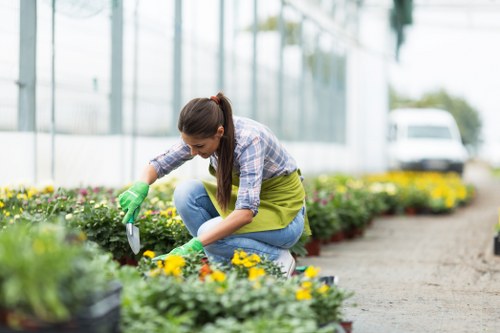 Gardener Brockley commits to an integrated approach to recycling and sustainability across all green services. In our vision the eco-friendly waste disposal area is not an afterthought but a design priority: safe storage, clearly labelled sorting bays and compacting systems minimize landfill-bound rubbish and prioritise recovery. Our sustainable rubbish gardening area model focuses on preventing waste, diverting organic material into productive cycles and supporting the borough’s approach to waste separation for food, garden and mixed recyclables.
We have set a clear recycling percentage target to drive operational change: a measurable goal of 65% recycling and reuse by 2030 across all domestic and commercial garden waste handled by Gardener Brockley. That target is aligned with local ambitions and the wider borough strategy, encouraging residents and small businesses to separate compostables, glass, paper and mixed plastics at source. Incremental reporting and transparent metrics help us track progress and refine processes while reducing the carbon intensity of our services.
 Local logistics are crucial. We work with nearby transfer stations and materials recovery facilities so that an efficient, low-emissions chain moves waste from the bin to reuse. Examples relevant to our area include borough transfer stations serving Lewisham and neighbouring boroughs, plus regional Materials Recovery Facilities (MRFs) that accept separated streams from household collections. We coordinate schedules to avoid double handling, reduce vehicle miles and maximise diversion rates through smart consolidation.
Our sustainable rubbish gardening area operations are built on simple, effective practices.
On-site separation and composting
include dedicated bays for:- Green waste for on-site or community composting
- Food-contaminated organics routed to anaerobic digestion where appropriate
- Reusable materials such as terracotta pots, tools and wood for redistribution
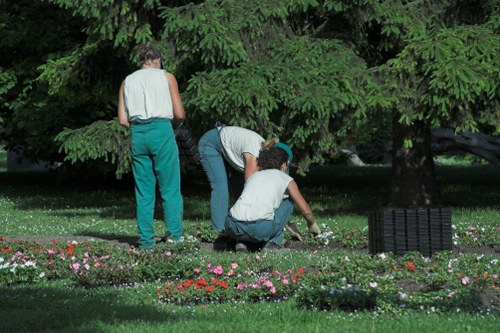 Partnerships are central to our model. Gardener Brockley partners with local charities and community hubs to extend the lifecycle of garden materials: working with reuse organisations to redirect usable soil, plant pots, trellises and working tools to community gardens and social enterprises. Charity collaborations reduce disposal demand and generate social value, while registered community compost projects and reuse depots create local circular economies.
Designing an eco-friendly waste disposal area also means managing hazardous and bulky items responsibly. We maintain clear protocols for chemical containers, batteries from garden lights and treated wood, ensuring these items are segregated, recorded and sent to specialist processing. Our site design reduces cross-contamination and improves material quality for recycling, which in turn increases overall recovery rates.
Operational sustainability is supported by a low-carbon vehicle fleet.
Low-carbon vans and fleet strategy
Gardener Brockley uses electric and hybrid vans for short urban runs and low-emission vehicles for longer transfers. Route optimisation software reduces mileage, and consolidation points minimise trips to transfer stations. By prioritising low-carbon rubbish removal, we cut fuel consumption and lower emissions per tonne of waste handled, helping meet both our recycling percentage target and local air quality goals. Staff practices and community engagement are equally important. We run staff training on contamination reduction, correct sorting and efficient loading techniques to keep recycling streams clean. With outreach to community groups and allotments, Gardener Brockley supports behaviour change that makes the sustainable garden waste disposal model work at neighbourhood scale. Simple, repeatable habits by residents—like separating garden cuttings from general waste—significantly raise recycling efficiency.
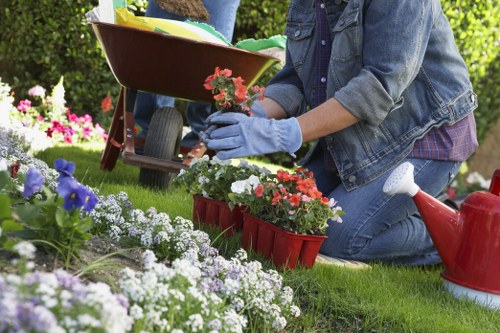 Our commitment is to continuous improvement. We monitor performance, publish progress against the 65% recycling and reuse target and refine partnerships with charities, community composting projects and local transfer stations. By combining thoughtful site design, separation practices and a low-carbon fleet, Gardener Brockley transforms the traditional rubbish collection model into a circular, resilient system focused on reuse, resource recovery and a greener local environment. Together, these measures create a replicable template for an effective sustainable rubbish gardening area across urban boroughs.